CNC researchers awarded nearly $350,000 to study urban bears in Prince George
Researchers at the College of New Caledonia (CNC) have received nearly $350,000 in federal funding to study the health and movement of urban bears in Prince George, helping improve understanding of local wildlife and support safer coexistence between bears and residents.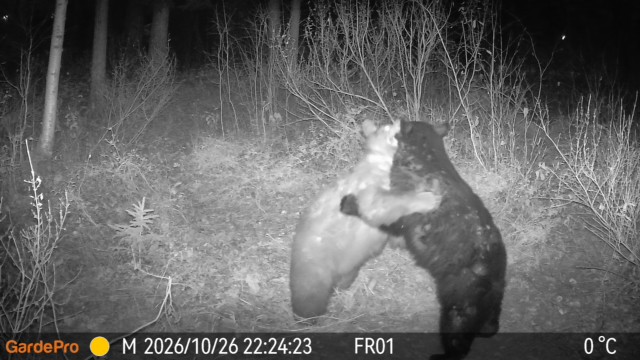
CNC researchers Vanessa Fetterly and Dr. Laura Graham have been awarded $348,715 over three years through the College and Community Social Innovation Fund (CCSIF) for their project, Wild Neighbors: Supporting Coexistence with Wildlife in Urban Communities.
The funding will support collaborative research examining bear health, behaviour and movement corridors throughout Prince George. The project brings together CNC, the City of Prince George, the Calgary Zoo and local residents to better understand how bears navigate urban environments and identify opportunities to reduce human-bear conflict.
“Prince George is fortunate to have an abundance of wildlife living alongside us, and this research provides an opportunity to better understand and appreciate these animals,” said Vanessa Fetterly, Senior Researcher at CNC's Research Forest. “By involving residents in the research, we hope to encourage responsible management of wildlife attractants while helping people recognize the important role wildlife plays in our community.”
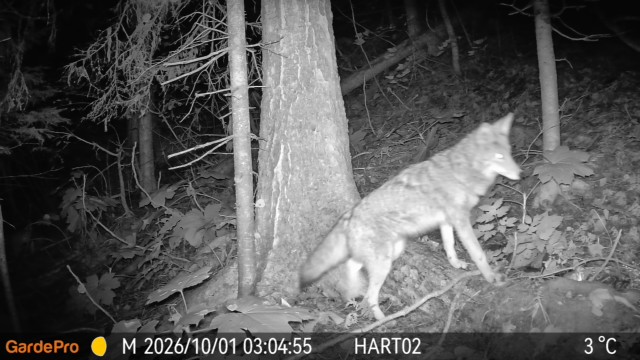
Photo provided by CNC Research Forest
The research began in spring 2025 with a pilot project inviting Prince George residents to report bear scat for collection and analysis. The response exceeded expectations, with local citizen scientists identifying more than 100 samples during the first year.
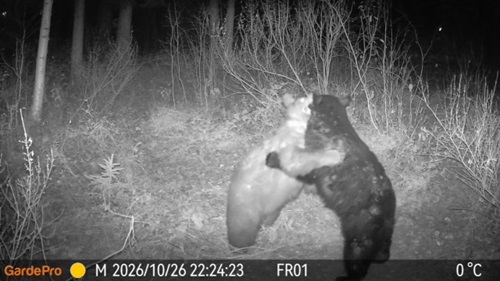
Building on that success, the project expanded in 2026 to include trail cameras installed at various locations on City property to help identify wildlife movement corridors. Residents also contributed more than 150 additional scat samples this year.
Researchers will use non-invasive techniques, including hormone and DNA analysis of bear scat, to better understand the health and physiology of bears living in urban environments. The Calgary Zoo will support the research by providing opportunities to validate these techniques using samples from bears in human care.
Dr. Laura Graham, Biology Faculty at CNC, said the involvement of local residents has been instrumental in making the research possible.
“For many years, I've used non-invasive techniques to study wildlife health and welfare, but applying these methods to free-ranging animals presents challenges, particularly when it comes to locating samples,” said Graham. “The tremendous response from Prince George residents has demonstrated the potential of citizen science to support meaningful wildlife research. This funding will allow us to build on that success and gain valuable insight into the health of our urban bears.”
The City of Prince George will also play an active role in the project, with staff from Bylaw Services, Parks and Solid Waste collaborating with researchers to share information and help guide the research. Findings will support a better understanding of bear movement throughout the city and help inform public education about living alongside wildlife.
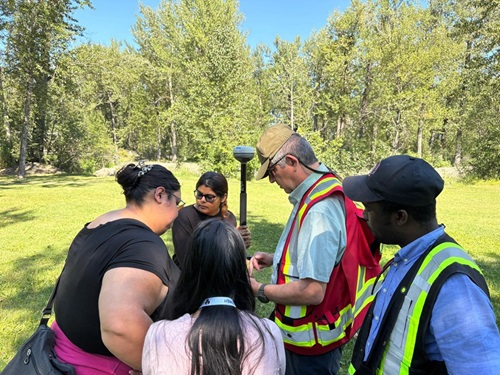
An important component of the project is the opportunity it creates for CNC students to gain hands-on research experience. A significant portion of the funding will support student research assistants who will participate in wildlife monitoring, scat collection, trail camera operations and laboratory analysis.
“Being part of this project has been a valuable opportunity to build on my education and develop practical research skills,” said Bo White, student research assistant. “I've previously studied human-bear interactions from a social science perspective, and I'm excited to expand my experience into wildlife monitoring and laboratory research. These opportunities will help prepare me for a future career in conservation science.”
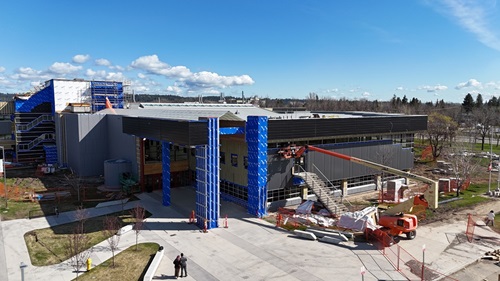
Wendy Male, Dean, University Access and Business, said the funding highlights CNC's commitment to applied research that responds to the needs of northern communities.
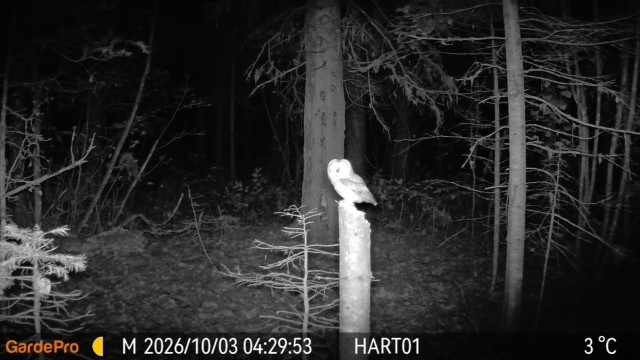
Photo provided by CNC Research Forest
“This grant reflects the strength of collaborative, community-focused research at CNC,” said Male. “It creates exceptional learning opportunities for our students while advancing research that will help our community better understand and coexist with urban wildlife. Congratulations to our researchers and partners on this exciting achievement.”
The CCSIF supports collaborative applied research projects that deliver social and environmental benefits to Canadian communities. The 2026 competition was highly competitive, with only 39 per cent of applications receiving funding.
Research and data collection will continue over the next three years, with trail camera footage expected to be made available to the public, giving residents an opportunity to learn more about the wildlife sharing their community.